
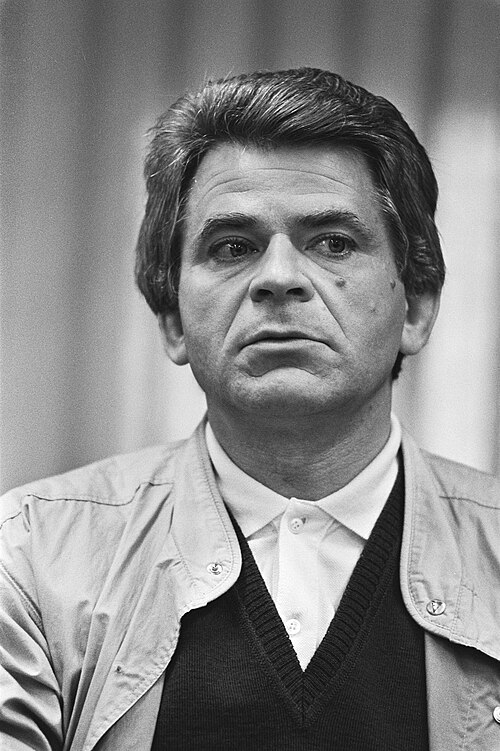
Playing style
- Universal
- Attacking
- Adaptable
A universal player who was comfortable in any kind of position. Spassky combined natural attacking flair with sound positional judgement and adapted his style to exploit each opponent.
Practise this style
Find Spassky’s moves
Positions from Spassky’s own games. Play the move they found.
Brilliant moves
17.a4!!
vs Lev Polugaevsky
25.Nxf7!!
vs Geller
Nxf7 removes another defender and keeps the attack moving before Black can cash in on the rook invasion.
Key games to watch
Watch the review, then replay the game guessing each of Spassky’s moves.
Spassky as white · 1-0
Spassky vs Polugaevsky
vs Polugaevsky · URS-chT Republics 08th final A · 1962 · 1 brilliant move
Spassky as white · 1-0
Spassky vs Geller
vs Geller · Candidates qf4 · 1968 · 1 brilliant move
Spassky as white · 1-0
Spassky, Boris Vasilievich vs Polugaevsky, Lev — URS-chT Republics 08th final A
vs Lev Polugaevsky · URS-chT Republics 08th final A · 1962 · 1 brilliant move
childhood
Born on 30 January 1937 in Leningrad (now Saint Petersburg).
Learned chess at age five while evacuating from Leningrad during the Siege of World War II; he spent four years in a children's home in the Kirov region, where he began school and learned the game.
His talent emerged quickly; he was soon singled out for intensive tuition by the Soviet chess machine.
He later said: "I was a beggar at that time, but at the chessboard I could make anything happen."
education
Received elite chess training through the Soviet state system, which nurtured his prodigious talent from a young age.
He became the youngest candidate-master in the USSR in 1946 at age nine.
career
Tenth World Chess Champion, reigning from 1969 to 1972.
Defeated Tigran Petrosian in 1969 to win the title, then lost it to Bobby Fischer in the legendary 1972 "Match of the Century" in Reykjavik.
Known as "The Pushkin of Chess" for his elegant, universal style and gentlemanly demeanor.
After losing to Fischer, he continued to play at a high level for decades, eventually settling in France.
His quote about Fischer became famous: "I became famous the day Bobby beat me."
stories & anecdotes
Spassky was widely respected for his sportsmanship and grace, especially during the highly politicized 1972 match.
He was a true universal player, equally adept in attack and defense.
In later years, he remained a beloved elder statesman of chess, often attending tournaments and reunions.
quotes
"To be a good chess player you have to be an educated person and be physically fit."
"I became famous the day Bobby beat me."
publications
Spassky's Best Games — a collection of his finest games.
Boris Spassky's Best Games 1: 1948–1968 by Tibor Karolyi — a comprehensive biography.
Editorial note: this profile was adapted from supplied research notes. Historical details and attributed quotations should be fact-checked before formal publication.