
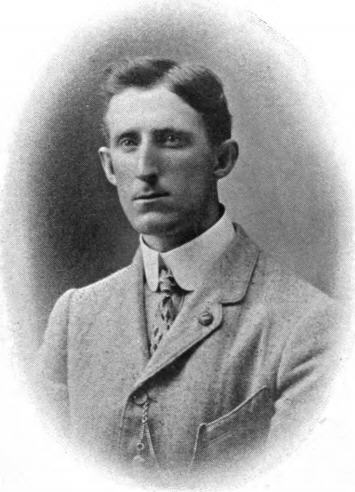
childhood
Born on 10 August 1877 in New York City, but spent most of his childhood in Montreal, Canada, where his family moved when he was eight.
Learned chess at age 10 from his father. He wrote in his memoir: "I took to it naturally as a duck to water."
At age 13, he was already Montreal's best player, and by 15 he won the Montreal Chess Club Championship.
education
His formal education is not well documented, but he was largely self-taught in chess, learning through coffee-house play and intense study.
He developed his skills in the chess cafés of New York and Montreal, where he honed his attacking style against strong local players.
career
United States Chess Champion from 1909 to 1936, one of the longest reigns in American chess history.
One of the strongest players in the world in the early 20th century, though he never won the World Championship. He challenged Emanuel Lasker in 1907 but lost decisively (11.5–3.5).
Known for his brilliant attacking play and his famous "Marshall Attack" in the Ruy Lopez (the Marshall Gambit), which he unveiled against Capablanca in 1918 — though Capablanca found a defense and won.
Won the prestigious Cambridge Springs tournament in 1904, one of the strongest tournaments of the era.
Founded the Marshall Chess Club in New York City in 1915, which remains one of the most famous chess clubs in the world.
stories & anecdotes
Marshall was beloved for his sportsmanship and his genial personality. He was known as "the most beloved chess master America has ever produced."
He was a renowned "swindler" — a player who could turn lost positions into wins through clever traps and complications. His book Marshall's Chess Swindles documents over 125 of his best escapes.
He famously said: "The hardest thing in chess is to win a won game."
After losing to Capablanca in their 1909 match, he wrote: "When shall I learn that a draw counts more than a loss?"
quotes
"The hardest thing in chess is to win a won game."
"I took to it naturally as a duck to water."
publications
My Fifty Years of Chess (1942) — his autobiography and game collection, covering 140 of his best games.
Marshall's Chess Swindles — a collection of his most remarkable escapes and traps.
Marshall's Best Games of Chess — another collection of his finest games.
Play through Frank Marshall’s games
No published games are linked yet. When automation submits a PGN with this player’s slug, it will appear here automatically.
Editorial note: this profile was adapted from supplied research notes. Historical details and attributed quotations should be fact-checked before formal publication.