
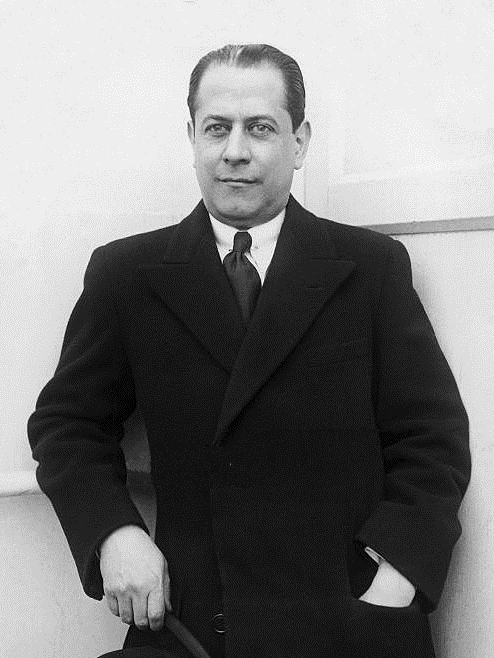
childhood
Born on 19 November 1888 in Havana, Cuba.
Learned chess at age four by watching his father play; he reportedly beat his father within days of learning the rules.
Pablo Morán said of him: "For Capablanca, chess was as easy as breathing."
education
Studied at Columbia University in New York, though he did not graduate; his chess career soon took precedence.
He was a natural genius who absorbed the game intuitively, later developing a deep theoretical understanding.
career
Third World Chess Champion, reigning from 1921 to 1927 after defeating Emanuel Lasker.
Known as "The Chess Machine" for his almost invincible play; he lost only 35 out of approximately 700 serious games in his career.
His 1927 loss to Alexander Alekhine was a massive upset; he never got a rematch, which remained a bitter point for the rest of his life.
After losing the title, he continued to play brilliantly, winning many tournaments in the 1930s.
stories & anecdotes
Capablanca's endgame technique was legendary; Mikhail Botvinnik considered Capablanca's Chess Fundamentals the best chess book ever written.
He was also a diplomat, serving as Cuba's ambassador to the League of Nations.
His 1921 world championship match against Lasker was played in Havana; Lasker resigned the title after 14 games, citing ill health.
quotes
"A good player is always lucky."
"You may learn much more from a game you lose than from a game you win."
publications
My Chess Career (1920) — his autobiography and game collection.
Chess Fundamentals (1921) — a foundational instructional text.
A Primer of Chess — a beginner's guide.
Play through José Raúl Capablanca’s games
Editorial note: this profile was adapted from supplied research notes. Historical details and attributed quotations should be fact-checked before formal publication.