
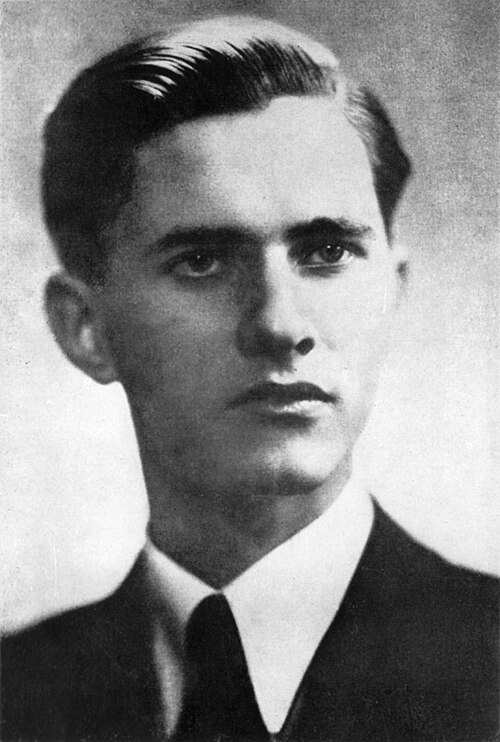
childhood
Born on 7 January 1916 in Narva, Estonia.
Learned chess from his father and older brother at age five, and was largely self-taught, studying chess books intensely from his early teens.
He showed early brilliance and won the Estonian Championship at age 19 in 1935.
education
Studied mathematics at the University of Tartu, where he was a brilliant student.
He continued his studies in mathematics while establishing himself as one of the world's top chess players, earning a degree in 1940.
career
One of the world's top players from the mid-1930s to the mid-1960s, and a perennial world championship contender.
"The Eternal Second" — he finished second in the Candidates Tournament on four consecutive occasions (1953, 1956, 1959, 1963) and narrowly missed a world championship match five times.
National champion of Estonia five times and three-time Soviet champion (1947, 1950, 1951).
Won gold medals with the Soviet team at seven Chess Olympiads (1952–1964).
Known for his universal, classical style, superb endgame technique, and deep opening preparation. He was also a prolific and highly respected chess author.
stories & anecdotes
Keres was a national hero in Estonia and is considered a symbol of fair play. He is the only chess player to have a monument in his honor in his home country.
He was admired for his sportsmanship and gentlemanly conduct throughout his career.
His famous quote reflects his deep understanding of the game: "The older I grow, the more I value pawns."
He also said: "When you don't know what to do, wait for your opponent to get an idea — it's sure to be wrong."
quotes
"The older I grow, the more I value pawns."
"When you don't know what to do, wait for your opponent to get an idea — it's sure to be wrong."
"In complicated positions, Bobby Fischer hardly had to be afraid of anybody."
publications
Practical Chess Endings — a classic instructional work.
The Early Games of Paul Keres — autobiography, part one.
The Middle Years of Paul Keres — autobiography, part two.
The Later Years of Paul Keres — autobiography, part three.
Play through Paul Keres’s games
No published games are linked yet. When automation submits a PGN with this player’s slug, it will appear here automatically.
Editorial note: this profile was adapted from supplied research notes. Historical details and attributed quotations should be fact-checked before formal publication.