
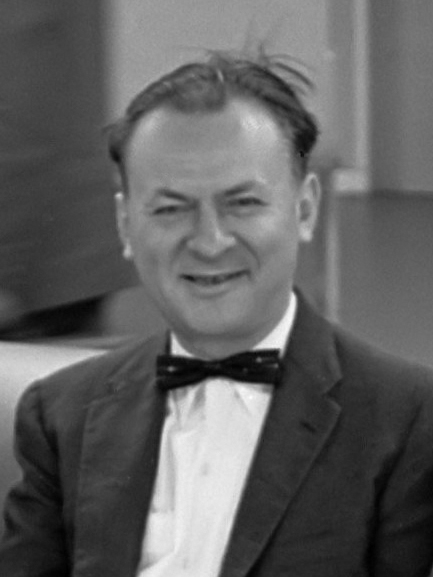
childhood
Born on 11 October 1914 in the Bronx, New York City, into an impoverished Russian-Jewish family.
Learned chess from an uncle at age eight.
His father left the family when Reuben was two, and he was raised by his mother alone. From an early age, his chess winnings helped support his family.
He hustled for nickels at the Manhattan Chess Club as a young teenager until he was asked to stop.
education
Graduated from Townsend Harris Hall High School before turning 15.
Attended City College of New York (CCNY), where he was a member of two champion chess teams, and earned a Bachelor of Social Sciences degree.
Later earned a doctorate in psychology from the University of Southern California in 1941.
career
One of the strongest chess players in the world from the mid-1930s until his retirement from serious chess in 1951.
His best result was equal first at the AVRO tournament in 1938, one of the strongest tournaments of all time.
After Alekhine's death in 1946, Fine was one of six players invited to compete for the World Championship in 1948, but he declined and virtually retired from competition.
Won the U.S. Open all seven times he entered (1932, 1933, 1934, 1935, 1939, 1940, 1941) and won five medals (four gold) in three Chess Olympiads.
After retiring from chess, he became a renowned psychoanalyst and university professor, authoring many books on psychology.
stories & anecdotes
Fine was one of the best blitz players in the world. He could nearly hold his own against Alekhine, though Capablanca beat him "mercilessly".
His Basic Chess Endings (1941) is considered one of the most important endgame books ever written and remains a standard reference.
He made controversial statements about women in chess, attributing their lack of success to psychological factors — views that are widely criticized today.
quotes
"A chess game is divided into three stages: the first, when you hope you have the advantage; the second, when you believe you have the advantage; and the third, when you know you're going to lose!"
"They [combinations] are the poetry of the game; they are to Chess what melody is to music. They represent the triumph of mind over matter."
publications
Basic Chess Endings (1941) — a monumental reference work.
The Middle Game in Chess — completing his trilogy on the three phases of the game.
Chess the Easy Way — a popular instructional book.
The Psychology of the Chess Player — his psychoanalytic study of chess.
Play through Reuben Fine’s games
No published games are linked yet. When automation submits a PGN with this player’s slug, it will appear here automatically.
Editorial note: this profile was adapted from supplied research notes. Historical details and attributed quotations should be fact-checked before formal publication.