
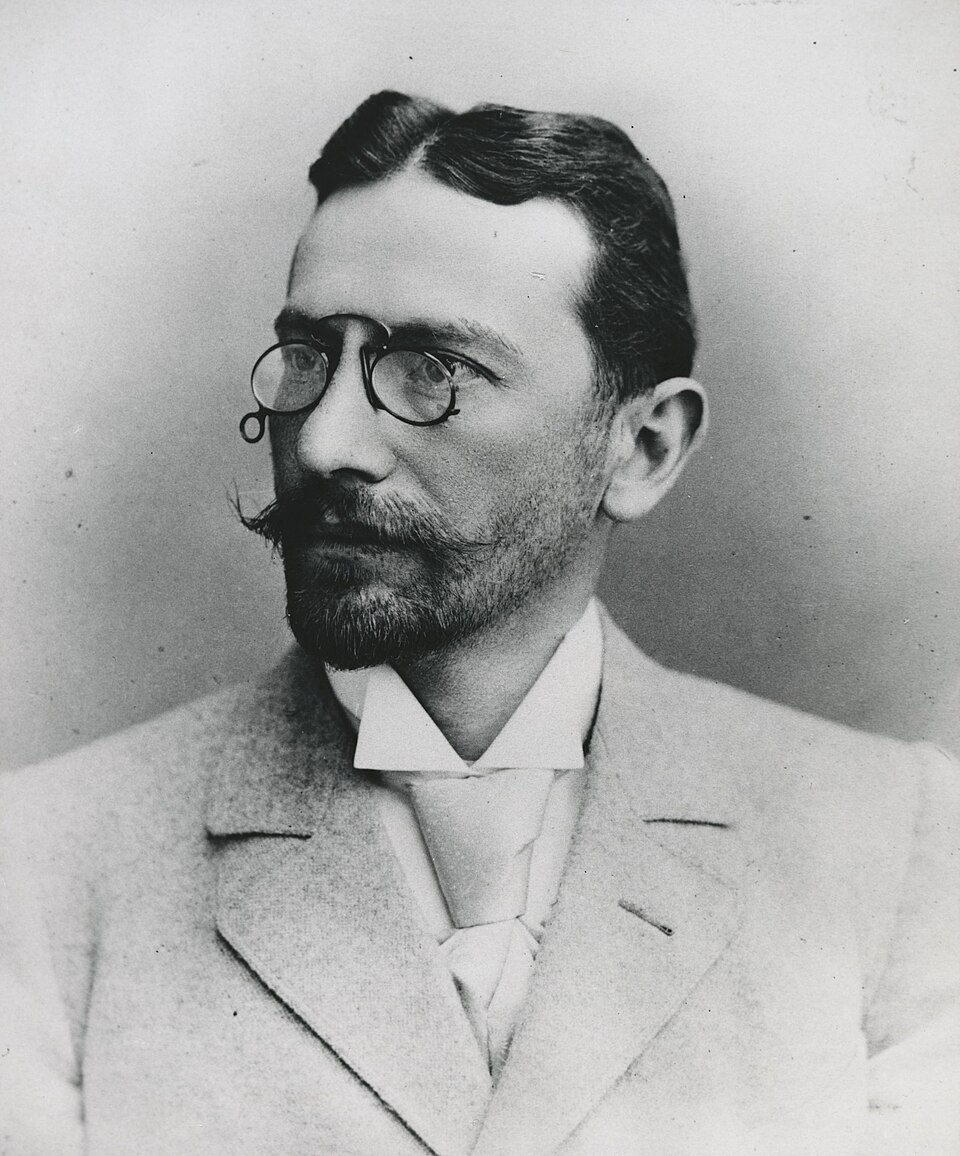
childhood
Born on 5 March 1862 in Breslau, Prussia (now Wrocław, Poland), into a Jewish family. He was born with a club foot, which caused him lifelong physical discomfort.
Learned chess relatively late, at age 15, when he discovered chess books. He later wrote: "It was as if I had awakened from death to life."
He was a brilliant student from a young age; he could read and write at age four and understood books by age six.
education
After finishing school in 1880, he left Breslau to study medicine in Berlin and then in Halle.
Qualified as a physician and practiced medicine for many years alongside his chess career, earning him the nickname "The Doctor."
career
One of the strongest players in the world from the 1890s to the 1910s and one of the most influential chess theorists of all time.
Considered himself the rightful challenger to Emanuel Lasker for the World Championship but never got a match. His rivalry with Lasker was bitter and personal.
A leading proponent of the classical school of chess, emphasizing rapid development, control of the center with pawns, and open lines. His teachings dominated chess thinking for decades.
His book The Game of Chess (Das Schachspiel) became the standard instructional manual in Germany and was translated into many languages.
His Three Hundred Chess Games (Dreihundert Schachpartien) is a classic collection of his best games with deep annotations.
He was a key figure in the theoretical battle against the Hypermodern school led by Nimzowitsch and Réti.
stories & anecdotes
Tarrasch was known for his dogmatic pronouncements about chess, once declaring: "Chess, like love, like music, has the power to make men happy."
He was a fierce critic of Nimzowitsch's hypermodern ideas and engaged in long public debates with him.
Despite his brilliance, he was destined to play "second fiddle" to Lasker, a fact that haunted him throughout his career. He never got a World Championship match.
He continued to play and write until his death in 1934.
quotes
"Chess, like love, like music, has the power to make men happy."
"It is not enough to be a good player; you must also play well."
"The power of a move lies not in its appearance but in the thought behind it."
publications
The Game of Chess (Das Schachspiel) — his comprehensive instructional manual.
Three Hundred Chess Games (Dreihundert Schachpartien) — his annotated game collection.
Tarrasch's Best Games of Chess — a selection of his finest games.
Play through Siegbert Tarrasch’s games
No published games are linked yet. When automation submits a PGN with this player’s slug, it will appear here automatically.
Editorial note: this profile was adapted from supplied research notes. Historical details and attributed quotations should be fact-checked before formal publication.